There’s a difference between exercising to stay in shape and training for something meaningful.
For years, fitness was something I tried to “fit in.” It competed with work, travel, and responsibilities. I would have solid weeks, and then inconsistent ones. It was easy to shorten a workout or push it to tomorrow. Training for multi-day rides changed that.
When you commit to riding five or six consecutive days — climbing, riding into wind, waking up and doing it again — your relationship with exercise shifts. You train with intention. You plan ahead. You become more consistent because you’re preparing for something real.
For me, multi-day rides built resolve. They gave my training structure. They gave me something extraordinary to look forward to. And over time, that consistency changed more than my fitness — it changed how I show up in my life.
Here are some of the things I’ve learned after 30 years of leading and cycling in mult-day tours.
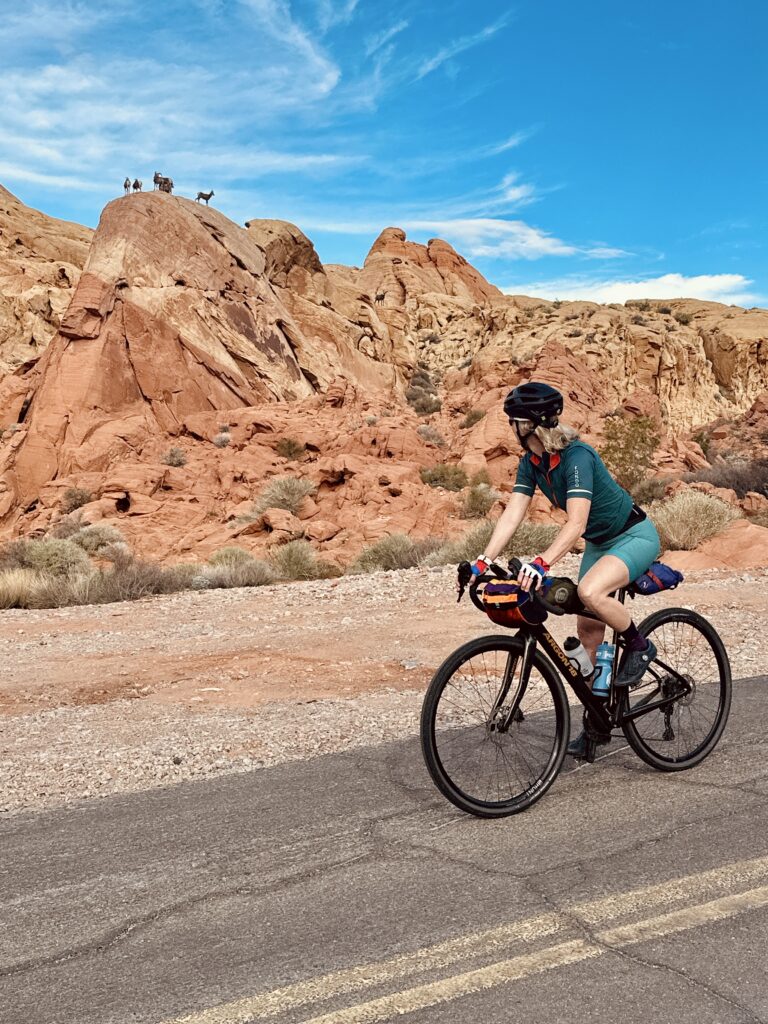
The Physical Benefits Are Real — and Measurable
Endurance cycling isn’t just “good cardio.” It drives specific, well-documented physiological adaptations.
Sustained aerobic training increases stroke volume (how much blood your heart pumps per beat), improves mitochondrial density in muscle cells, enhances insulin sensitivity, and strengthens the vascular system. In plain language: your body becomes more efficient at producing and delivering energy.
If you’re a bit of a fitness dork like me, you think about VO₂ max — your body’s ability to utilize oxygen during exercise. It’s one of the strongest predictors of longevity we have.
A large 2018 study of more than 120,000 adults found that higher cardiorespiratory fitness was strongly associated with lower all-cause mortality, and importantly, there was no clear upper limit to the benefit.¹ Improving your aerobic fitness meaningfully reduces your risk of dying from cardiovascular disease and other causes.
VO₂ max naturally declines with age. But consistent endurance training can slow that decline dramatically.
Training for a multi-day ride forces consistency. You’re not relying on sporadic workouts. You’re building an aerobic base over months. You’re stacking long efforts. And then you experience the cumulative adaptation of riding day after day. That sustained effort — done progressively and intelligently — deepens cardiovascular conditioning in a way short, inconsistent sessions simply don’t.
For me, that’s motivating. I don’t just want to be fit this season. I want to be strong, metabolically healthy, and capable decades from now.
Brain Health: The Long Game
The brain benefits may be just as compelling.
Aerobic exercise increases cerebral blood flow and stimulates production of brain-derived neurotrophic factor (BDNF), which supports neuron growth and plasticity. In other words, it helps your brain stay adaptable and resilient.
One long-term Swedish study followed women for 44 years and found that those with high cardiovascular fitness in midlife had an 88% lower risk of developing dementia compared to those with moderate fitness levels.² That’s a remarkable difference.
If you care about preventing cognitive decline — if you think long-term about memory, clarity, and independence — aerobic fitness is one of the most powerful tools available.
When I’m climbing a long stretch of coastline or riding quiet gravel roads day after day, I sometimes think about that invisible investment: stronger heart, healthier blood vessels, improved brain perfusion. The effort feels purposeful. It’s not just a ride. It’s preventative care.
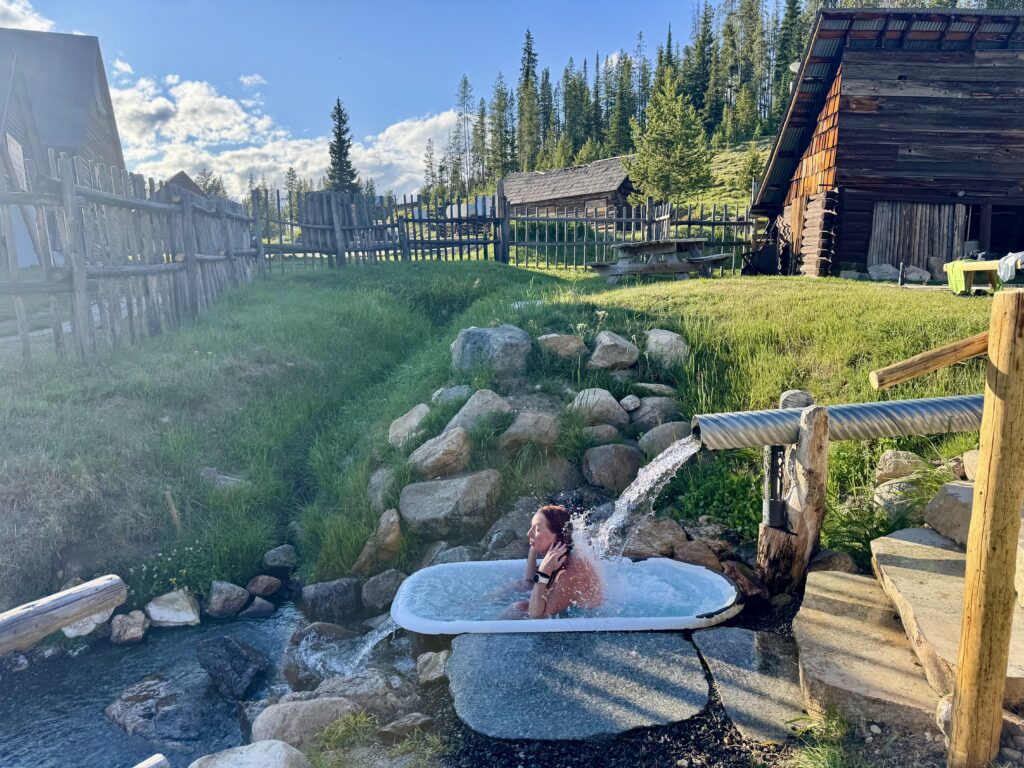
The Mental Shift
Beyond the physiology, multi-day rides reshape how you relate to effort.
You learn how to pace yourself. You learn that discomfort rises and falls. You learn that you can wake up a little tired and still perform well. Over multiple days, that builds psychological resilience.
Sports psychology research consistently shows that completing challenging endurance events increases self-efficacy — the belief that you can accomplish difficult things. That belief transfers into other areas of life.
I’ve noticed I’m more patient with long-term goals. More steady. Less reactive when something feels hard. When you’ve ridden 30 miles into a headwind and then done it again the next day, other challenges feel more manageable.
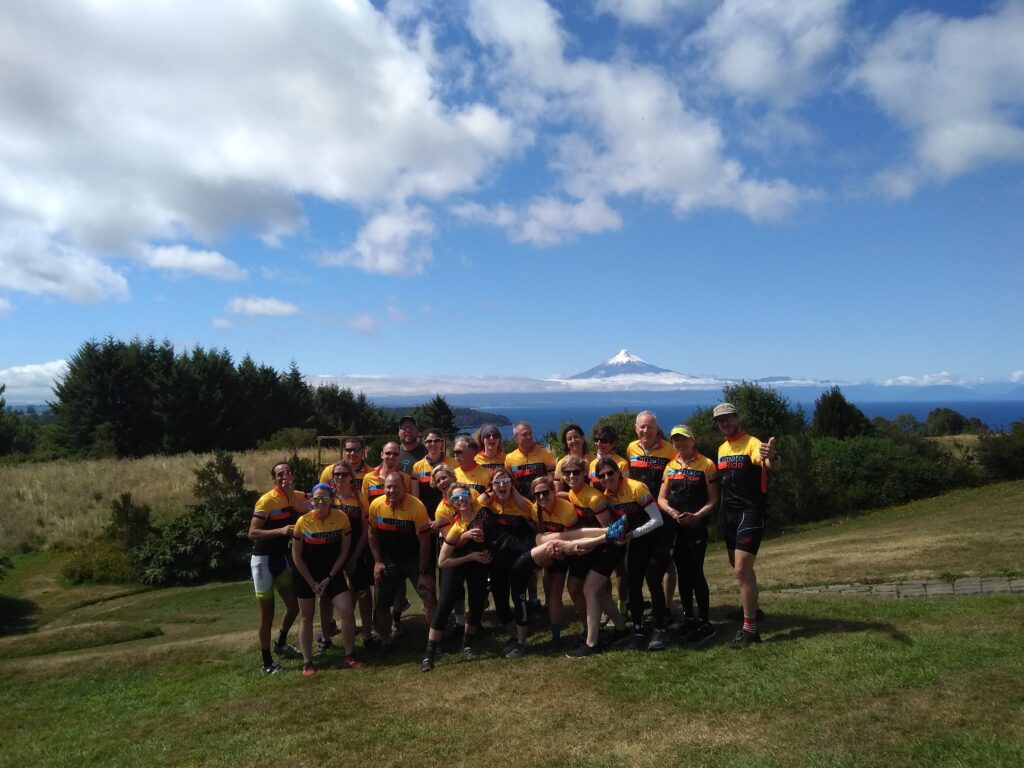
Camaraderie Multiplies the Benefits
There’s also something powerful about doing this alongside other people.
Multi-day rides create shared struggle, shared awe, shared accomplishment. You ride together. You eat together. You trade stories at the end of the day. That kind of immersive, collective experience accelerates connection.
Research shows that social connection itself is protective for mental health. Group exercise environments amplify the mood benefits of physical activity. When you combine aerobic exercise, outdoor exposure, and meaningful social interaction, the effect is layered and profound. This is one of the most underestimated parts of a multi-day ride: you don’t just get fitter. You build friendships that often last well beyond the final mile.
A Reset for How You Approach Fitness
For someone new to riding, a multi-day event can function as a true reset. Instead of exercising out of obligation, you train with purpose. Instead of random workouts, you follow a plan. Instead of going it alone, you’re part of a community.
And importantly, you don’t have to figure it out by yourself.
Climate Ride’s multi-day events are designed intentionally for both new and experienced riders. There are route options. There are experienced, world-class guides who understand pacing and safety. There is mechanical support, thoughtfully prepared food, well-timed rest stops, and a team that genuinely wants you to succeed. That infrastructure matters.
When you know you’re supported — when you know there’s food waiting, mechanics available, encouragement abundant — you’re more willing to push. And growth happens when challenge is paired with support. I’ve watched first-time riders arrive unsure if they belong and leave transformed — stronger, more confident, more committed to their health. I’ve seen experienced cyclists rediscover their love of riding when the scenery shifts to redwood forests and dramatic coastline.
Why It Sticks
For me, the biggest change has been consistency. Having a ride on the calendar gives me something meaningful to work toward. It pulls me out of routine. It encourages better habits. It reminds me that I’m capable of more than I think.
Multi-day rides are demanding. But they’re also joyful. They’re immersive. They’re beautiful. And when you combine the measurable health benefits — improved cardiovascular fitness, metabolic strength, brain resilience — with camaraderie, scenery, and purpose, the result is more than a cycling event.
It’s a reboot.
–Caeli Quinn, Executive Director & Founder, Climate Ride
References
- Mandsager, K. et al. (2018). Association of Cardiorespiratory Fitness With Long-term Mortality Among Adults Undergoing Exercise Treadmill Testing. JAMA Network Open, 1(6): e183605.
- Hörder, H. et al. (2018). Midlife cardiovascular fitness and dementia: A 44-year longitudinal population study in women. Neurology, 90(15): e1298–e1305.