People sometimes tell us to “stick to the watts.” That cycling doesn’t have to have meaning or purpose. That a bike ride is just a bike ride.
But in a world built for speed, isolation, and endless consumption, choosing to move under your own power is something else entirely. It’s joy. Real joy. The kind that feels a little rebellious. Not the passive “feel good” kind, but the kind that shows up when you reclaim your space in the world — when you ride down a road that wasn’t really designed for you and do it anyway.
Riding Slower Is Its Own Kind of Protest
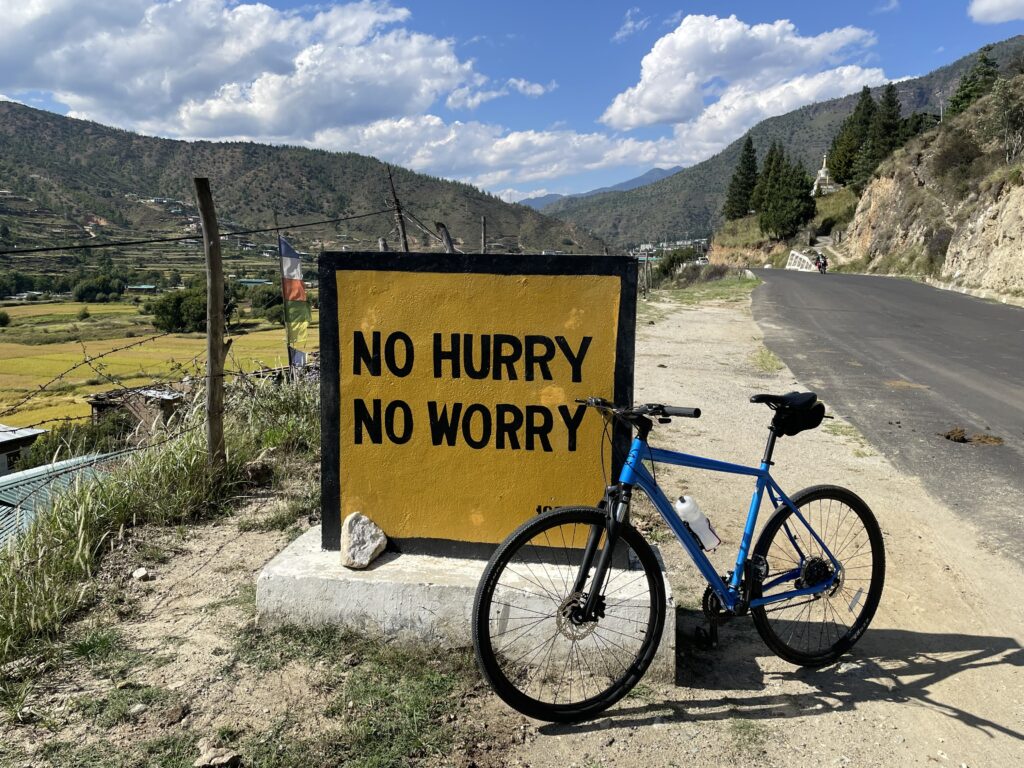
Most of our streets were built for machines. Wide roads, fast traffic, the constant push to move faster and farther. Communities cut apart so cars could pass through them.
So when you ride a bike through those systems, you notice things differently.
You feel the wind.
You hear the birds.
You stop in places most people drive right past.
And when cities build protected bike lanes or quiet trails, they aren’t just pouring concrete. They’re making room for something better — safer streets, cleaner air, and a reminder that public space should belong to people, not just vehicles.
Powering yourself across a landscape—climbing through the wind, exposed to the elements—is a physical declaration of independence. This “human-powered” movement builds more than just muscle; it builds resolve. It drives physiological adaptations that make your heart and brain more resilient, but it also reshapes how you relate to effort. When you realize what you are capable of achieving with your own two legs, you stop being a passive observer of the world and become an active architect of its future.
Choosing to move slower in a world obsessed with speed is a quiet form of resistance.
Joy Is Even Better When It’s Shared
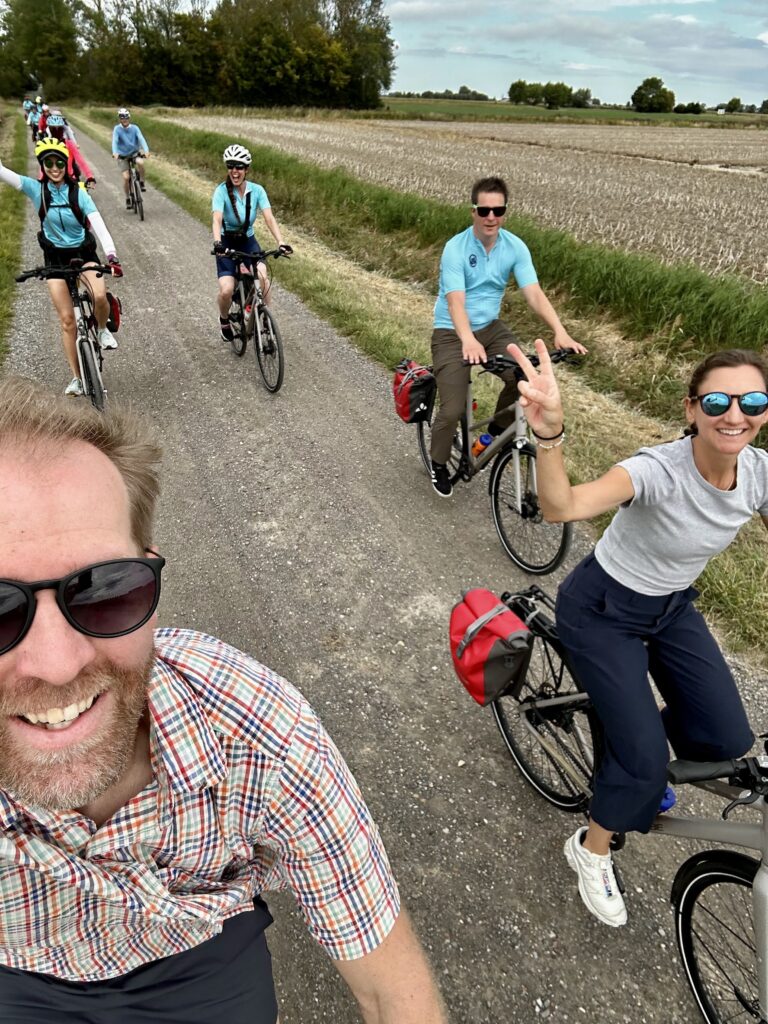
The best part of cycling isn’t just the ride — it’s the people.
You see it everywhere in the Climate Ride community. Riders meeting strangers at breakfast and finishing the day as friends. Groups climbing a hill together. Someone handing you a snack at the perfect moment.
It’s also the spirit behind the organizations we support — groups like Free Cycles in Montana, National Parks Conservation Association, Eco.Logic, San Francisco Bicycle Coalition— who are working to make communities, outdoor spaces, and city streets safer and more welcoming for everyone. Because access to fresh air, open roads, and adventure shouldn’t depend on who you are or where you live.
When we ride together, joy becomes contagious.
Play Is More Powerful Than We Think
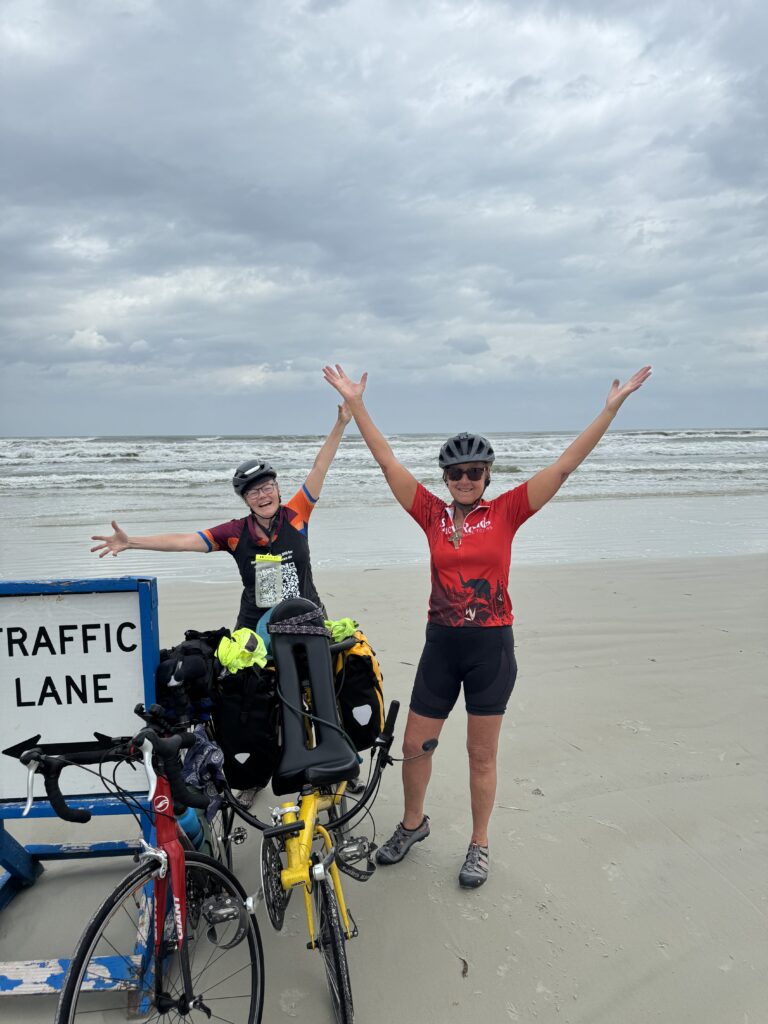
There’s a lot happening in the world right now. Climate change. Inequality. Big problems that can feel overwhelming.
But play — yes, play — is one of the things that keeps people going. Play reconnects us to curiosity, to movement, to each other. It reminds us that our bodies and our communities are capable of joy—not just survival. Psychologists have long pointed out that play builds resilience. It helps people cope with stress, sparks creativity, and strengthens social bonds. In other words, it’s exactly the kind of energy movements need to keep going.
Cycling is full of it.
The rush of a long descent.
The laughter at a rest stop.
The conversations that only happen after a few hours pedaling side by side.
Those moments might seem small, but they’re the glue that holds communities together. They’re also what sustain people doing the long, often difficult work of protecting our climate and public lands. Because movements fueled only by urgency eventually burn out.
Movements fueled by joy keep going.
Play reminds us that the future we’re working toward isn’t just about avoiding catastrophe—it’s about creating a world where people can move freely, breathe clean air, explore wild places, and feel connected to each other.
Those moments remind us why these fights matter in the first place. Because the goal isn’t just solving problems. It’s protecting the freedom to move, explore, and feel alive in the world.
The health benefits are a significant part of the story, too. Research shows that for those who switch from driving to cycling, the physical gains outweigh the risks by roughly nine to one. It’s a practical kind of sustainability: the energy you find on the bike builds the endurance you need to keep showing up—for your community, for the planet, and for yourself.
Every Ride Is a Small Act of Hope
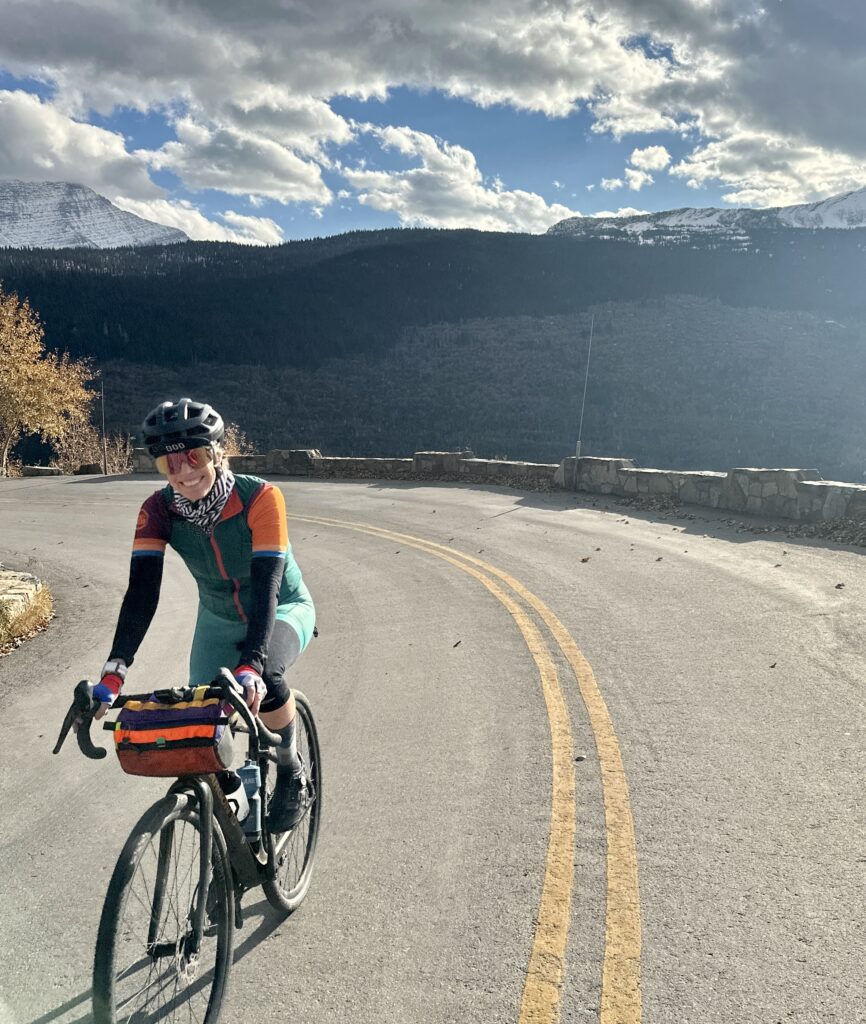
You don’t have to call yourself an activist to be part of something bigger. Every time you swing a leg over the bike, you’re choosing a different way to move through the world.
At Climate Ride, we see it every day. People who start out thinking they’re just signing up for an adventure — and end up helping fund climate solutions, protect public lands, and support the organizations doing the work on the ground. Advocacy doesn’t always have to look like a protest sign. Sometimes it looks like a bike ride. It looks like finding common ground and creatively co-creating the future alongside each other.
How we move says something about what we value. But more than anything, cycling is radical because it insists on joy — even when the world feels heavy. And that quiet hum of the spokes? That’s hope in motion.
Further Reading & Inspiration
If you’re curious about the bigger ideas behind joyful mobility, climate solutions, and better cities, these are great places to start.
🚲 Cycling and climate impact
- Cycling Is Ten Times More Important Than Electric Cars for Reaching Net-Zero Cities
https://www.resilience.org/stories/2021-03-30/cycling-is-ten-times-more-important-than-electric-cars-for-reaching-net-zero-cities/
Research examining travel behavior across several European cities found that people who cycle regularly have 84% lower travel-related carbon emissions, and switching just one daily trip from car to bike can cut about half a ton of CO₂ per year.
🩺 Health benefits of cycling
- Do the Health Benefits of Cycling Outweigh the Risks? (Environmental Health Perspectives)
https://ehp.niehs.nih.gov/0901747
A major public-health study found that for people who switch from driving to cycling, the health benefits from physical activity outweigh the risks from pollution and crashes by roughly 9 to 1.
🏙️ What bike-friendly cities look like
Copenhagen’s approach to becoming a low-carbon city
Cities like Copenhagen now see around 45% of commutes made by bicycle, showing what happens when infrastructure supports people instead of just cars. https://www.lemonde.fr/en/international/article/2024/09/07/copenhagen-s-dream-of-becoming-a-low-carbon-city_6725196_4.html
And of course, the best way to understand all of this is simple:
Hop on a bike and see where it takes you.
Caeli Quinn