We’ve just returned from an incredible week following bike paths through medieval towns of the Netherlands. Here are a few surprising insights we learned from a culture that intentionally prioritizes people-first infrastructure and mobility.
Step off a plane as an American and onto a Dutch bike path, and your idea of “cycling” changes fast. On our recent Netherlands to Bruges Climate Ride, cyclists had the right-of-way — a small thing on paper, but a completely different feeling on a bike. Safety is built into the infrastructure itself, and we felt it riding alongside Dutch cyclists of every age, from kids on their own bikes to grandparents on cargo bikes.
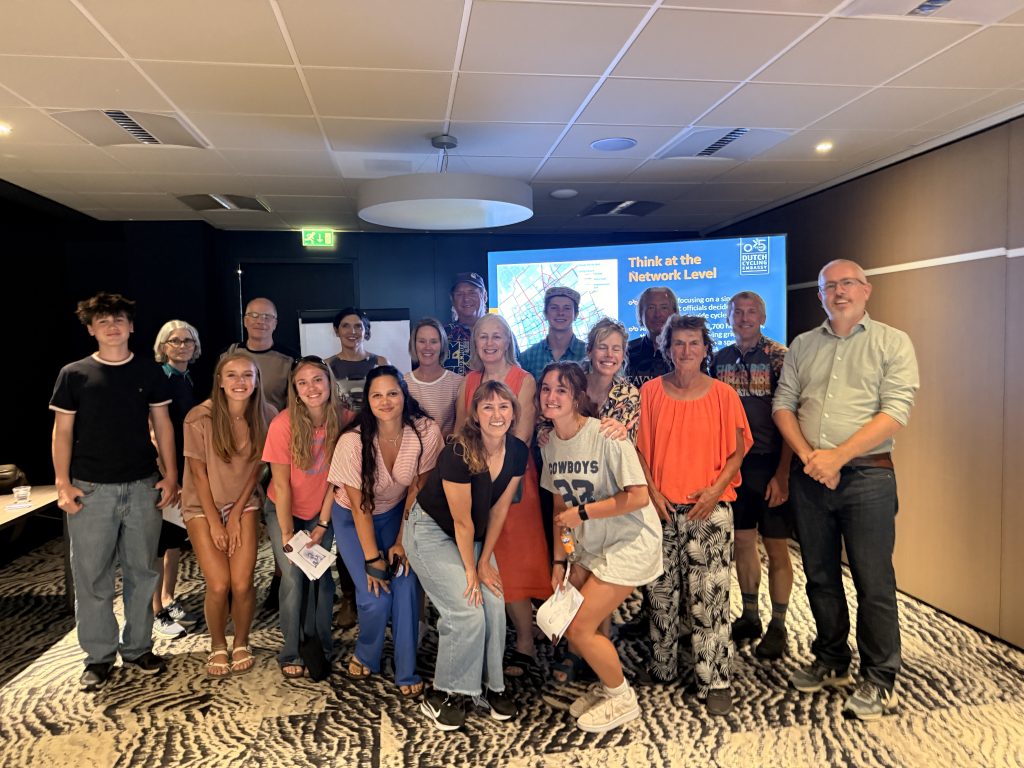
Partway through the trip, we met with the Dutch Cycling Embassy for a presentation from Chris Bruntlett. The cycling network we’d been riding through wasn’t an accident of flat terrain or old habits — it was the result of deliberate city planning decisions, many of them made in response to public pressure in the 1970s.
That’s the part worth sitting with as an American. Dutch cities looked a lot more like ours in the 1960s — cars everywhere, kids getting hit in the streets, planners chasing traffic capacity. What changed wasn’t geography or culture, it was a decision. Cities like Portland, Minneapolis, and even smaller towns across the U.S. have used pieces of the Dutch playbook — protected bike lanes, traffic-calmed neighborhoods, bike parking at transit stops — and seen ridership climb as a result. None of it requires flat terrain or a thousand years of bike culture. It requires the same choice the Dutch made: deciding that streets are for people first.
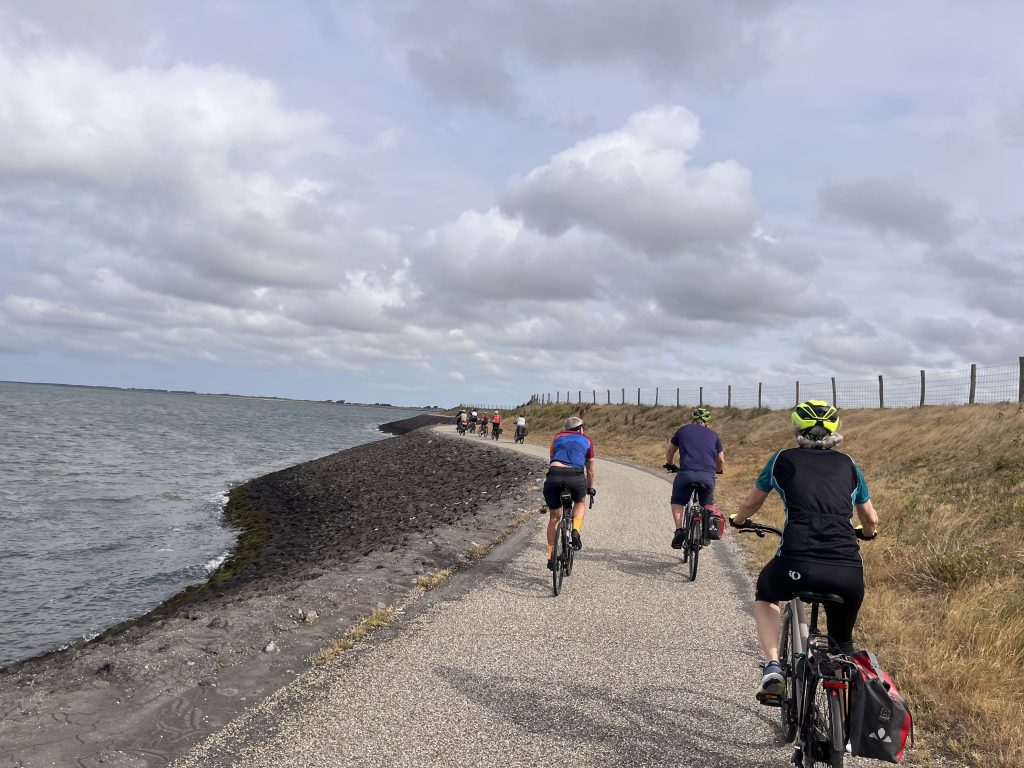
We had a group of teenagers on this trip, and for them the eye-opener wasn’t the scenery — what got them was the sheer number of Dutch kids out on their own. It was summer, and kids were everywhere: biking to the pool, to friends’ houses, to the store for snacks, no parent in sight. For American teens, that kind of independence usually waits until they can drive. Their parents noticed it too, from the other side — watching their own kids handle a roundabout solo, and feeling something between nerves and relief that the streets themselves made it safe.
The Netherlands to Bruges Climate Ride is a bike tour, but it’s also a close look at a country that built its infrastructure around a different set of priorities than ours.
Here are 10 facts about this country that might surprise you.
1. A Third of All Trips Happen on Two Wheels
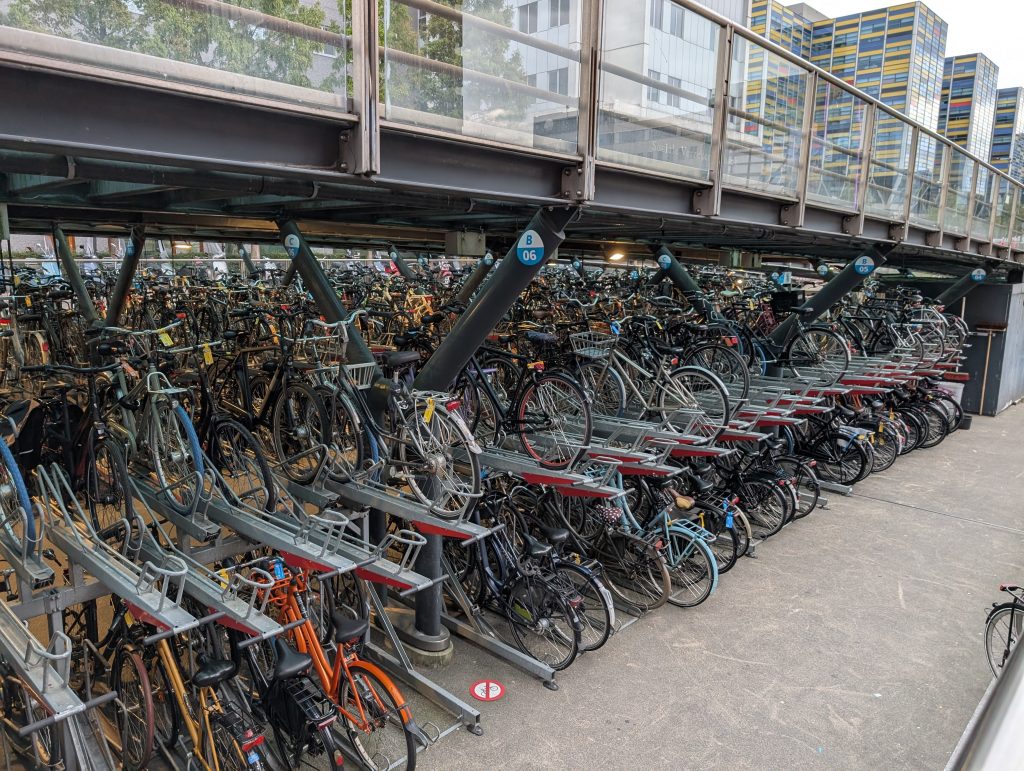
In the U.S., cycling is often treated as a niche hobby or an extreme sport. In the Netherlands, it’s simply transportation. One-third (33%) of all trips nationwide are made by bicycle. It creates a quiet, clean, and stunningly efficient flow of human movement.
2. Independence for Kids (2/3 Bike or Walk to School)
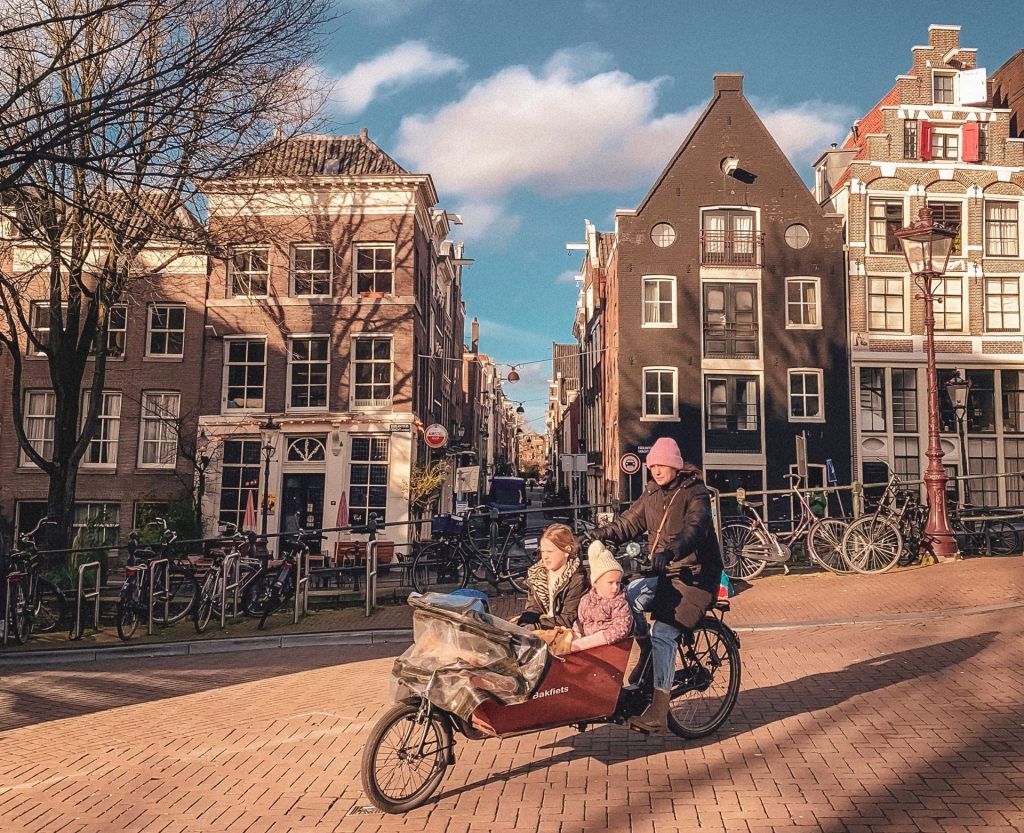
We didn’t see long lines of idling cars dropping kids off at school. Instead, we shared paths with swarms of independent children laughing on their way to class, without chaperones. Two-thirds (66%) of Dutch children walk or bike to school daily, fostering a sense of autonomy that is rare in North America. Kids ages 10-12 take practical traffic exams to ensure they have an understanding of how to move through the city safely.
3. Aging Gracefully on Two Wheels
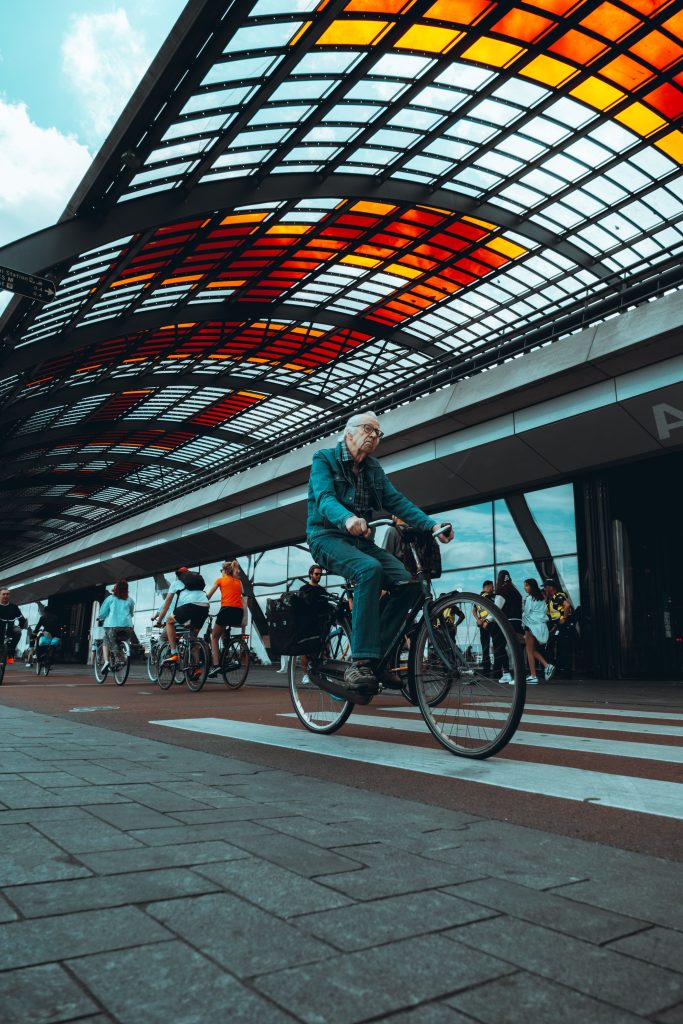
Cycling isn’t something the Dutch age out of. In fact, older adults aged 65 to 75 are the fastest-growing segment of the cycling population. Thanks to safe infrastructure and the rise of e-bikes, seniors retain their mobility, health, and freedom decades longer than car-dependent populations.
4. Safety as a Human Right
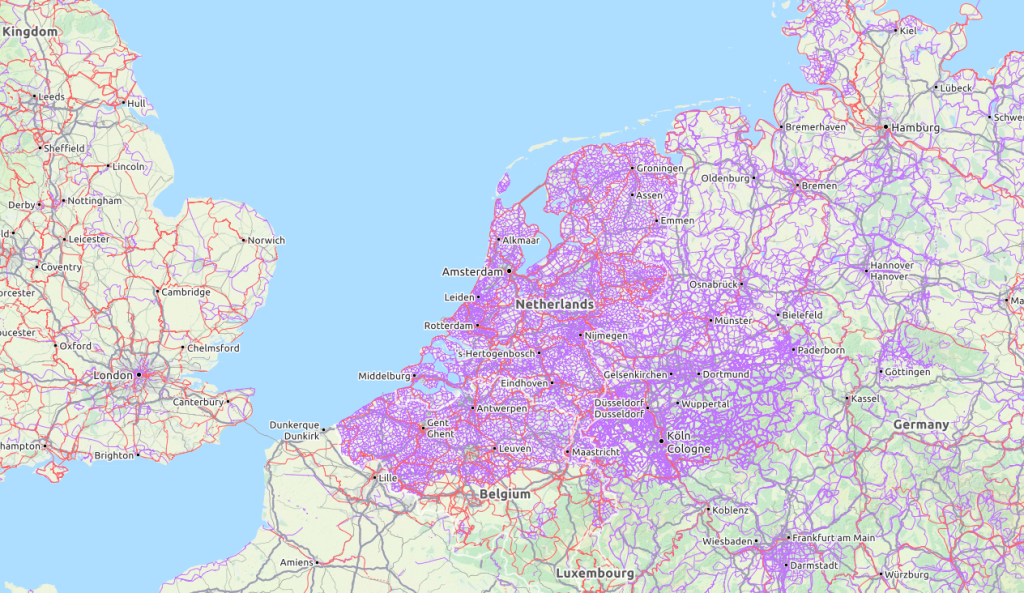
The Netherlands has over 35,000km (!!) of cycling routes nationwide, including dedicated bike lanes, cycling paths, and protected intersections separated from car traffic. We didn’t wear high-vis vests or feel our hearts race at intersections. The infrastructure is built with ‘forgiving design’ meaning physical barriers and dedicated signals protect vulnerable road users by default.
5. Dutch Cycling Culture Was Born Out of Protest, Not Luck
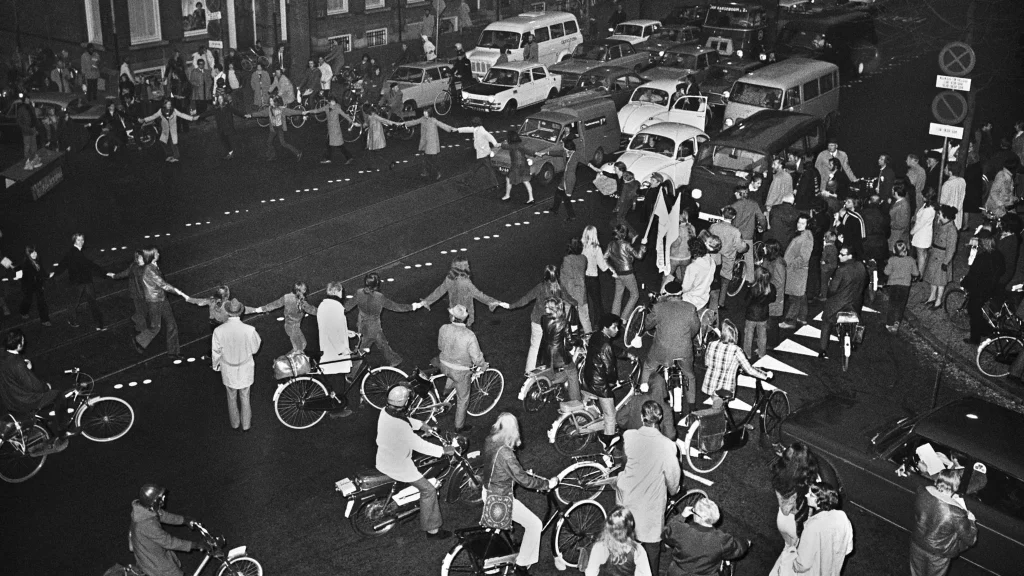
The Netherlands wasn’t always this way. In the 1960s, cars were taking over. The turning point came in 1972 with the “Stop de Kindermoord” (Stop the Child Murder) protests following an alarming spike in children’s traffic deaths. The people demanded change and the government listened. As a result, the Dutch began implementing infrastructure that kept safety as a priority, and pushed cars outside of city centers.
6. Crisis Catalyzed Self-Sufficiency
Right around the time of the protests, the 1973 oil embargo struck. Realizing how deeply vulnerable their society was to foreign oil, the Dutch government leaned heavily into cycling. The result? Decades of self-sufficiency and economic resilience.
7. Community Over Commute
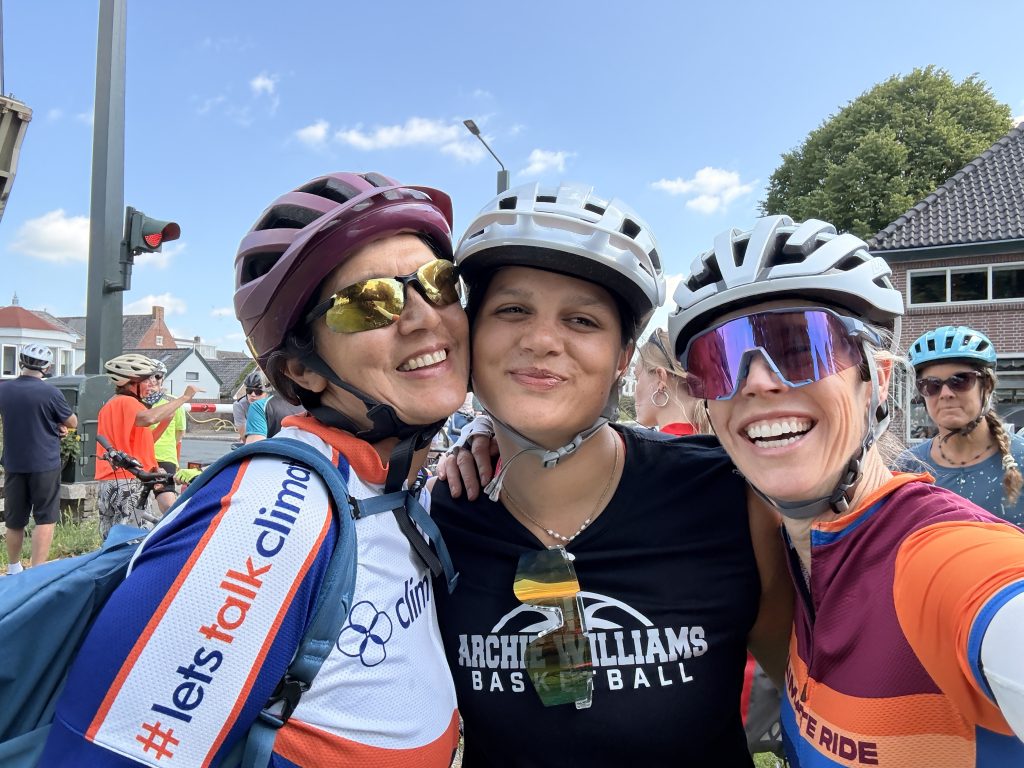
Car-centric design isolates people in steel boxes. Dutch street design does the exact opposite. Because people are moving at human speed and can easily stop to chat, there is an ambient sense of community and trust that feels entirely unique.
8. The Genius of the Protected Bike Lane
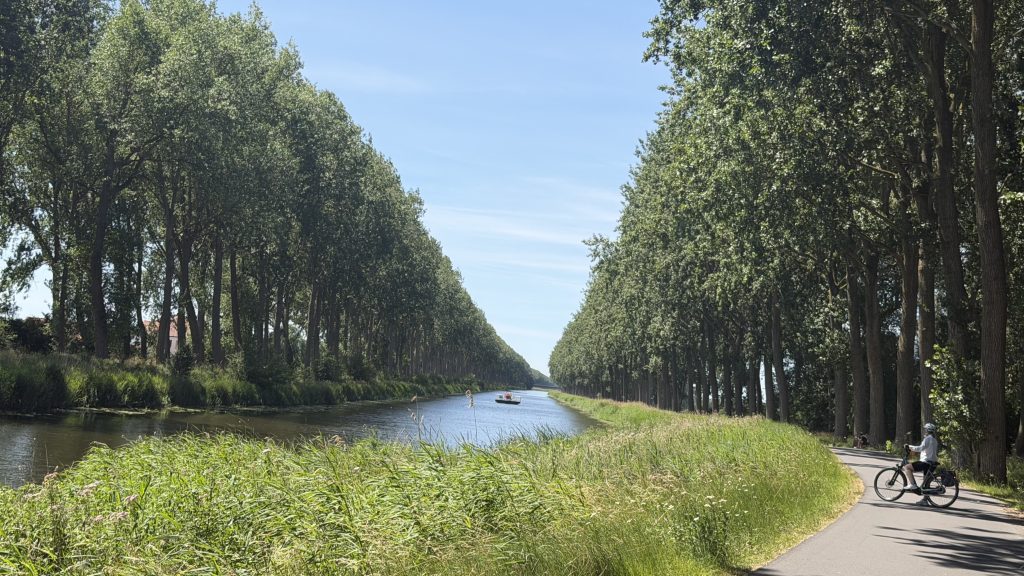
It took a while to get used to having the right-of-way as a cyclist. Most bike paths are completely separated from traffic, ensuring our safety and making it easy to enjoy the scenery. We loved riding on Fietsstraats—streets explicitly designated as “bike streets where cars are guests.” The psychology flips the road hierarchy completely; drivers patiently trail behind cyclists without aggression.
9. Seamless Multi-Modal Travel
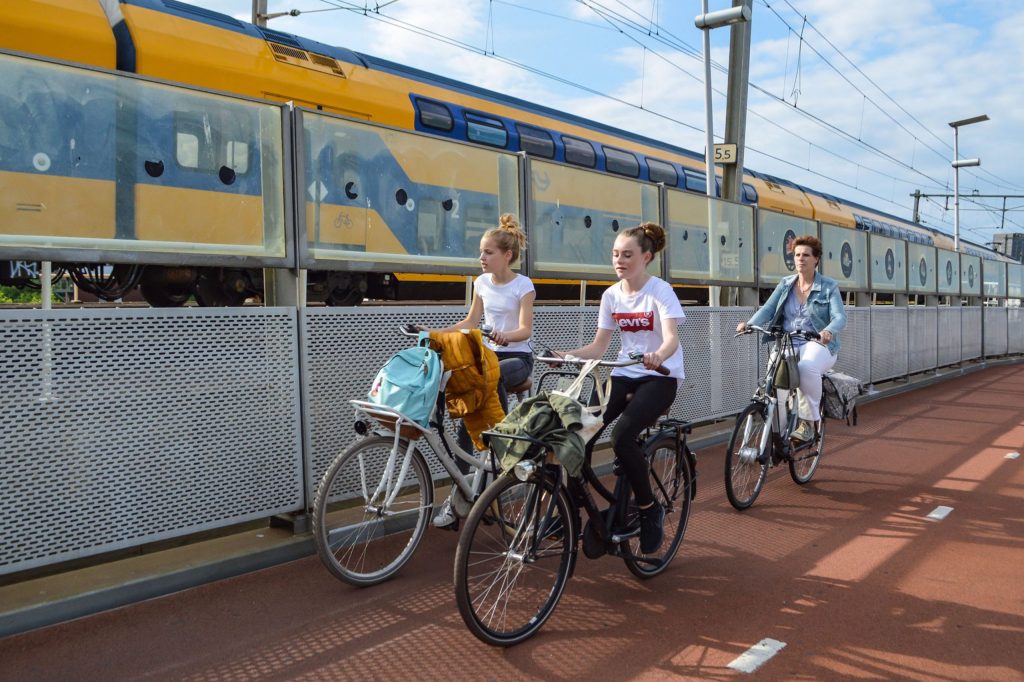
Bikes and trains work together – 50% of all train trips start with a bike ride. Every train station we saw offered massive, convenient underground bike parking garages housing thousands of commuter bicycles, making car ownership entirely optional. 80% of Netherlanders live within 10 miles of a train station.
10. A Global Mission Worth Building
Experiencing the country at the pace of a bicycle is sightseeing at its finest. We could really see the landscape change and shift, and appreciate the stunning juxtaposition of medieval cities with feats of modern, climate-resilient ingenuity. Every day was a lesson in people-first infrastructure, and an argument for the positive transformation cycling can bring to the places we love.
The Dutch don’t view their system as a secret to be hoarded; they view it as wisdom to be shared globally. By immersing ourselves in this culture, we saw proof that a sustainable, human-centric future is absolutely worth building back home.
Thanks for following along. Email us with any questions!